Low mobility is a problem that impacts millions of Americans, and for many families, adding a wheelchair ramp isn’t a luxury, it’s a necessity. When considering preparing your home for an aging parent, wheelchair ramp costs 2026 is just the first step – if you’re recovering from surgery or planning long-term improvements like making your home handicapped accessible for a family member with a disability.
The cost is also dependent on the materials, size, design and if you choose to hire a professional or you make it yourself. This all-in-one guide helps you to understand all the costs involved, and then you can choose a property, confident in the knowledge that you are making the right budget decision.
Average Wheelchair Ramp Costs in 2026
The average price for installing a wheelchair ramp in 2026 ranges from $1000 to $10,000 and most people spend between $1500 and $4500 for a professionally installed ramp in their homes. This range is wide though — the price of ramping will vary depending on the type of ramp, location, materials and installation.
Studies show the most common ramps used are modular aluminum ones, which range in price from $100-200 per linear foot for installation. A six-foot ramp with one step entry costs $600 to $1200; a longer ramps with more steps entry will cost $3,000 to $6,000+ depending on the length of ramp.
The material and labor costs are more expensive on permanent ramping, but they may give a more integrated appearance. The least expensive way is to get temporary or portable ramps that run from $100-$600, based on length and weight capacity.
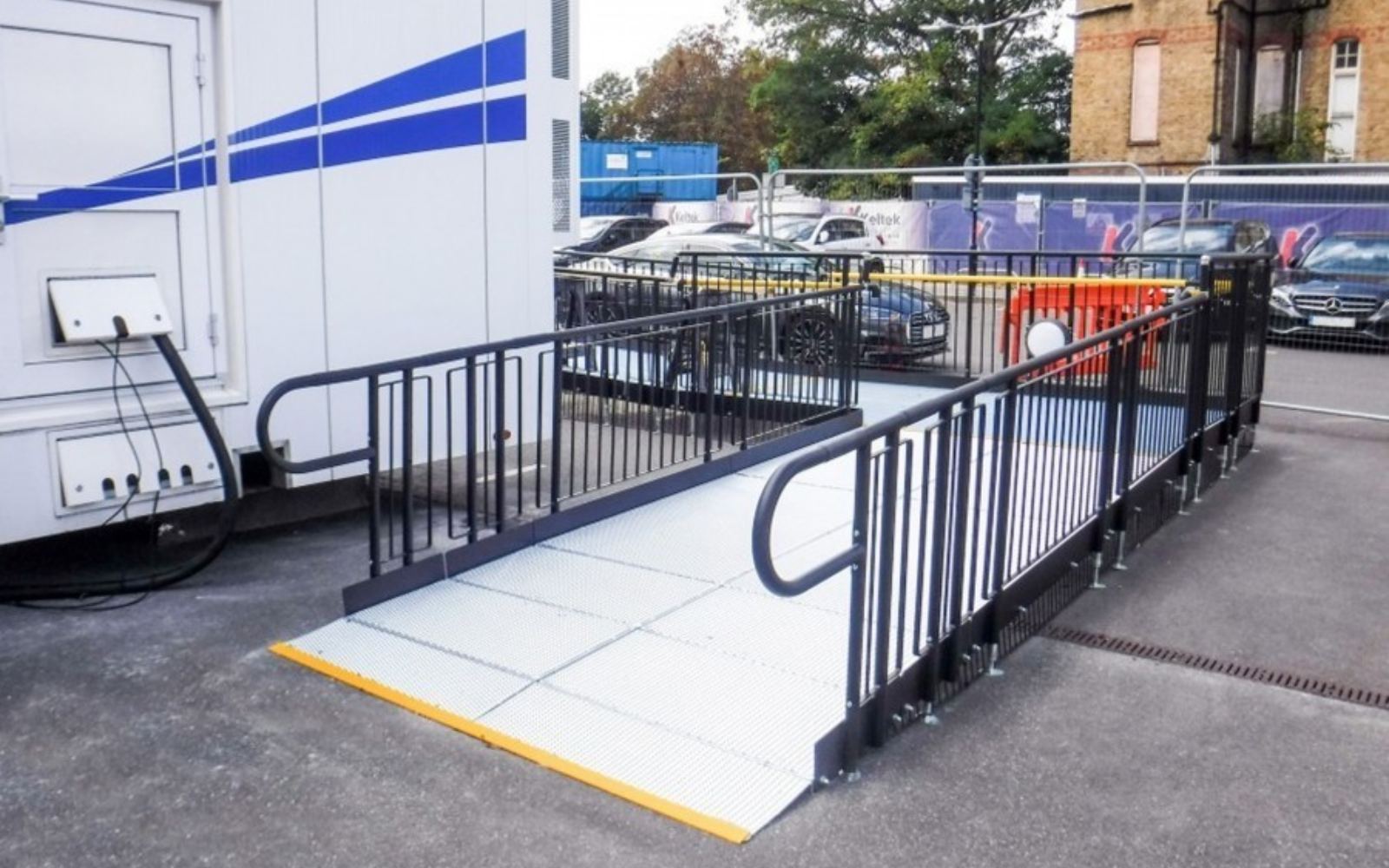
Key Factors That Determine the Final Cost
By analyzing the factors that influence wheelchair ramp costs, homeowners can save themselves some headaches. There are key drivers that have a major impact on the result.
Ramp Length: The single biggest cost driver is how long the ramp needs to be. The ADA guidelines state that there should be 1 foot for each rise of the ramp. A doorway that is elevated 12 inches above grade will need a 12 foot minimum ramp. It takes more materials and more labor to build longer ramps, which means the project will be more expensive.
Cost of Materials: This can vary from cheap aluminum to middle-of-the-road wooden or high-end concrete or composite materials. They have varying ranges of durability, maintenance and aesthetic achievements which has an impact on initial outlay and lasting worth.
Platform and Landing Requirements: Long ramps may require a material and labour input of platform and/or top landings, particularly where longer sections of ramp are required and are recommended by ADA standards. The total cost of a project could be $300 to $800 more if it does not include a top landing platform.
Handrails and Safety Features: ADA compliant handrails on both sides of the ramp are a safety must, and a code requirement, in many jurisdictions. Handrails come in various materials and lengths and generally range between $150 to $500.
Professional Installation vs. DIY: Labor costs for professional installment are usually $30 to $60 per hour. If it is a regular ramp, the labor cost can be $500 to $2000, depending on how complicated the ramp is. Although it is a quick way to save money, it may lead to safety hazards and potential liability issues if it is not done correctly.
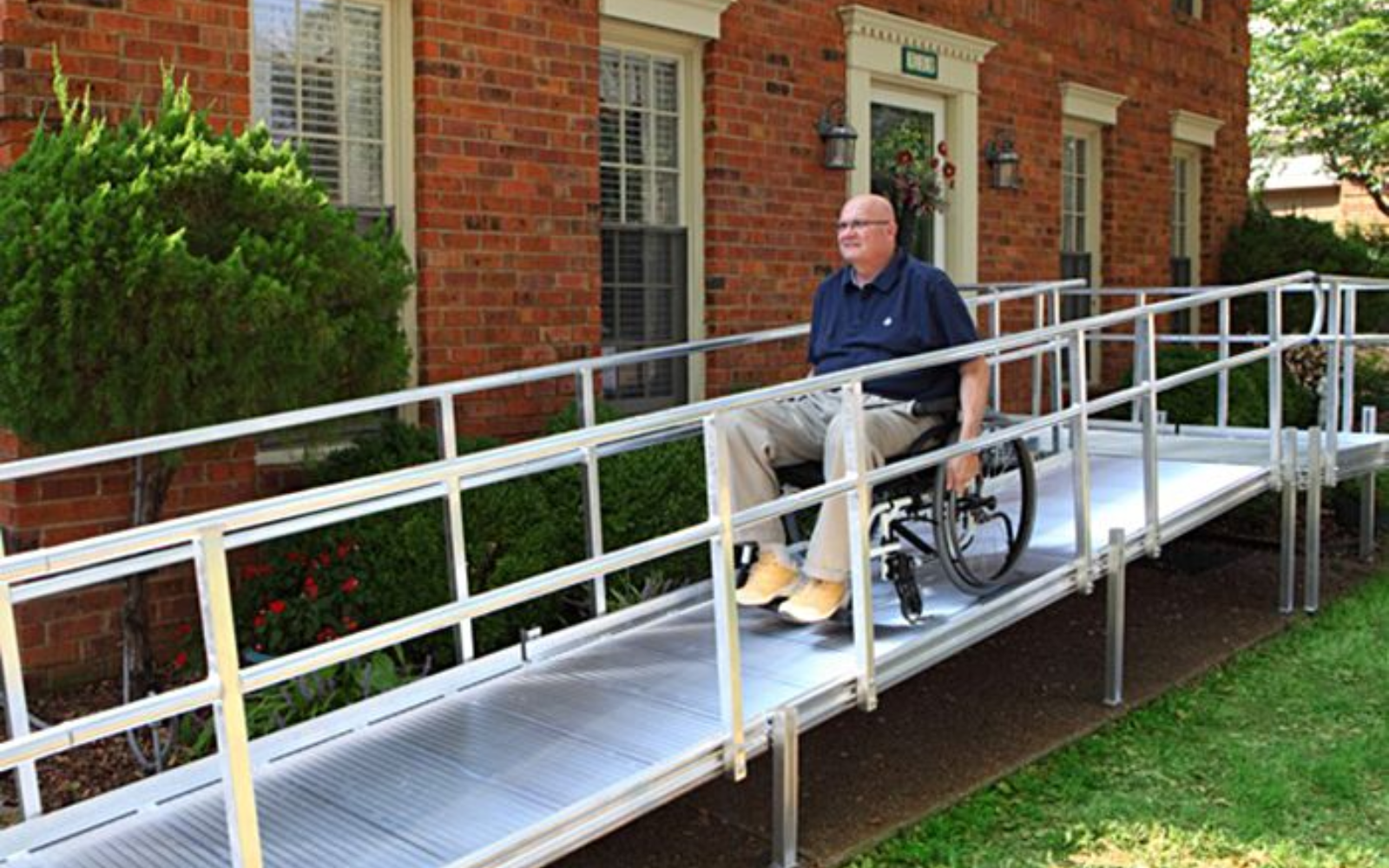
Wheelchair Ramp Material Options and Their Costs
The selection of material is among one of the most crucial decisions in the ramp planning process. There are pros and cons to each option, depending on the budget, end goal and length of time you’ll require the ramp.
For residential applications, Aluminum Modular Ramps are the most popular type of application. They are easy to weigh, rust free, easy to maintain and can be taken apart and moved if necessary. The cost of an aluminum ramp is $100 to $200 per linear foot installed and makes a great choice for homeowners looking for durability without permanent construction.
Wood Ramps provide a natural yet appealing appearance that can complement the existing home. Wood that has been treated with pressure is the preferred material to resist weather conditions. Cost of wood ramps usually runs between $80 – $150 per linear foot, but must be maintained and sealed regularly to avoid rot in the long term.
Concrete Ramps are most permanent and durable, used for long-term residential or commercial applications. However, labor intensive construction makes concrete ramps more expensive, ranging from $200 to $250 per linear foot and lasts for decades without needing much maintenance.
The most economical way to overcome minor changes in elevation is with Portable and Threshold Ramps. These prefabricated ramps cost anywhere from $60 to $600 are capable of being moved to different locations as they are required and so are great for visitors or for need over short periods of time.
Permits, Codes, and ADA Compliance Costs
When making renovation plans for a wheelchair ramp, many of the homeowners fail to consider the proper permits and code compliance. A building permit may be necessary for permanent installations in accordance with the standards of your municipality. The cost of permitting varies between $50 and $300.
According to the ADA guidelines, slopes should not exceed 1:12, ramps must be at least 36 inches wide and handrails must be provided on ramps that rise more than 6 inches. Although ADA standards are mandated in public buildings, the following guidelines are necessary, when applied to residential ramps, to provide maximum safety and usability.
If the ramp is not compliant, it can pose a safety risk and may need to be modified at a later time which can be an expensive process. Planning for compliance from the beginning is an effective way of saving money and stress.
Financial Assistance and Programs Available in 2026
Fortunately, there are several ways to get financial support in 2026, and by leveraging these options, out-of-pocket expenses can be kept to a minimum.
Many Medicaid Waiver Programs include home modification costs, such as wheelchair ramps for those who qualify. It’s important to note that coverage is state-specific, so be sure to check with the state Medicaid office.
Veteran Affairs benefits can offer grants to veterans for home modifications if they have a service connected disability. For ramps, the Specially Adapted Housing program and the Home Improvements and Structural Alterations program can both be used for their installation.
Nonprofit organizations, like Rebuilding Together, and local disability advocacy groups may be able to install free or reduced-cost ramping for a qualified low-income homeowner.
If the physician prescribes the ramp as a medical necessity, then it might qualify for a medical home modification tax deduction. When you are planning your project, it is important to consider a tax professional for what deductions you may be able to claim.
Permanent vs. Modular Ramps: Which Makes More Sense?
The cost isn’t the only factor in the choice of permanent ramp versus modular system. When the need for accessibility is permanent and the homeowner would prefer a more permanent look of the ramp, the use of permanent concrete or wood ramps would be better. But if the size of the requirements change, they can’t be moved or rearranged.
Modular aluminum ramps provide flexibility you can’t get from a permanent structure. They can be expanded and reconfigured and taken out when no longer needed — and homeowners can even use one without purchasing it outright via a rental program. Remarkable value can be provided by modular systems for families with temporary or evolving accessibility requirements.
Conclusion
One of the most important modifications a family can make to their home is the installation of a wheelchair ramp, but knowing the true costs of wheelchair ramps allows you to make an informed choice. The selection of materials, ramp length to work, permits, financial assistance and more are all pertinent to your investment finalization. Careful planning, and working with experienced professionals, will provide you with the safest and most cost-effective solution, whether you’re looking for a temporary solution or a permanent accessibility upgrade.
Wheelchair Ramp DC’s focusing on professional installation of wheelchair ramps, specialist wheelchair ramp mounting, customized mandatory wheelchair adjusting services at your residence, and ADA compliant wheelchair ramp solutions that will be developed to your home construction and family needs. From assessment to material selection, finally to installation and safety verification, our staff is always by your side in all the process.
Call Wheelchair Ramp DC today to speak with them about your wheelchair ramp project and get a free consultation as well as a free quote.